

RESULTS ARE IN:
Congratulations! Your score indicates you are currently in a high confidence cycle.
A high confidence cycle is created by a set of habits and patterns which you unconsciously adopt at work.
What are high and low confidence cycles?
Watch this short video to find out more about the high and low confidence cycles:
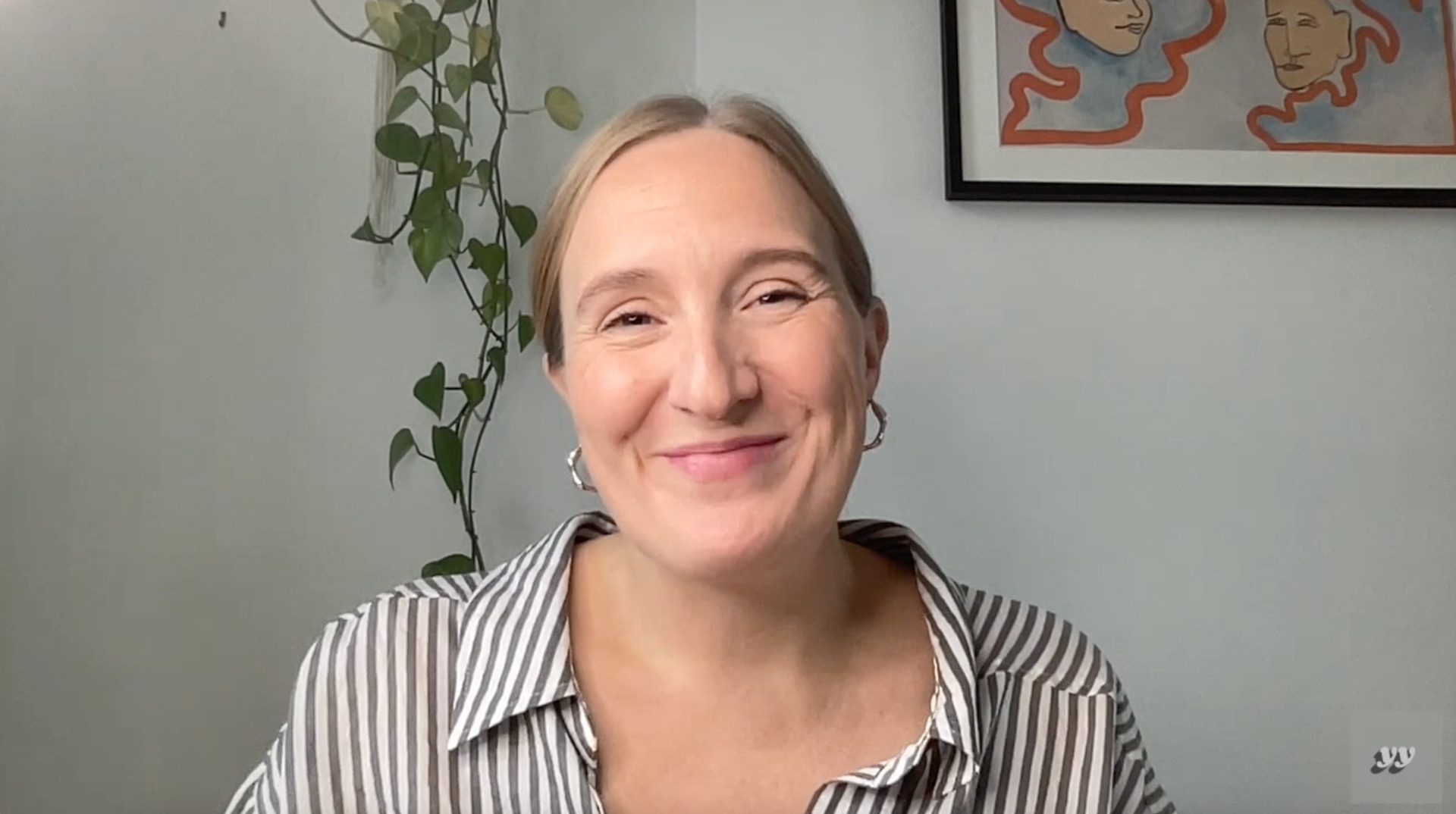
Your current High Confidence Cycle means that your experience at work is likely not being impacted by high internal pressure and fear of how you’ll be perceived.
In a high confidence cycle, you treat yourself fairly: you focus on the work you’re doing rather than how you’re being seen by others, and you know how to provide yourself with the emotional support you need.
You set realistic standards. You don’t try to be perfect all the time, you’re able to tolerate making a mistake while still feeling secure in your job.
And you know how to acknowledge your good work and give yourself praise.
Here are the habits which will help to maintain high confidence at work:
1) Manage yourself in a way that supports your confidence.
We all have an internal manager who oversees every piece of work, comes to every meeting and 'manages' us throughout our career. In order to feel confident, your internal manager needs to be supportive, encouraging and fair.
Your internal manager may be damaging your confidence by frequently critisising and doubting you. In order to move into a high confidence cycle, you have to manage yourself in a way that supports your confidence. For most people that includes learning how to quiet that inner critical voice, how to stop self-doubt and build some self-trust.
2) Learn how to set realistic standards for yourself.
Are you stuck in a cycle of demanding perfection, then beating yourself up if you can’t achieve it? We all want to do great work, but constantly demanding perfection from yourself could be keeping you stuck in a low confidence cycle.
What standards would your ideal boss set for you and how would they treat you if something went wrong? Moving forwards, aim to manage yourself the way you want your ideal boss to manage you, including setting realistic standards and treating yourself fairly when things go wrong.
3) Acknowledge the positives and recognise your efforts.
You can probably recognise and acknowledge the positives in others, but can you do it for yourself? Your quiz results indicate a tendency to focus on the negatives, which creates a skewed perception and keeps you stuck in a low confidence cycle.
Imagine having a boss who only focused on the negatives and never acknowledged you for good work? It wouldn't be a fair reflection of your contribution and it might damage your confidence.
Learning to acknowledge yourself might feel strange at first, but it's a habit which will help you move into a high confidence cycle.
Your quiz results indicate that your habits are currently keeping your confidence high! Good job.
If you still feel like you could benefit from growth in these areas, my digital course Confident at Work can help you hone your confidence so that you know exactly how to manage yourself to promote even greater resilience and support you when your confidence dips or falters.
With Confident at Work, you’ll gain the skills to show up as yourself at work every day.
The course has 4 modules designed to be simple and quick to progress through, so you can focus your time on implementing what you learn to create actual results.
And when you join, you get lifetime access – so you can refer back to the materials whenever you need them (since those confidence highs and lows are an inevitable part of most peoples’ careers!).
Join the Confident at Work online course
Get instant access to the self-guided digital course for professionals who want to feel more confident at work.
Confident at Work is available for bulk purchase for your organisation. Email me for access and invoicing: [email protected].

Authentic Confidence Private Coaching
The missing puzzle piece to real confidence.
Experience Personalised coaching for successful professionals ready to leave behind self-doubt, uncertainty, and mental drama so that they can finally feel confident at work.